
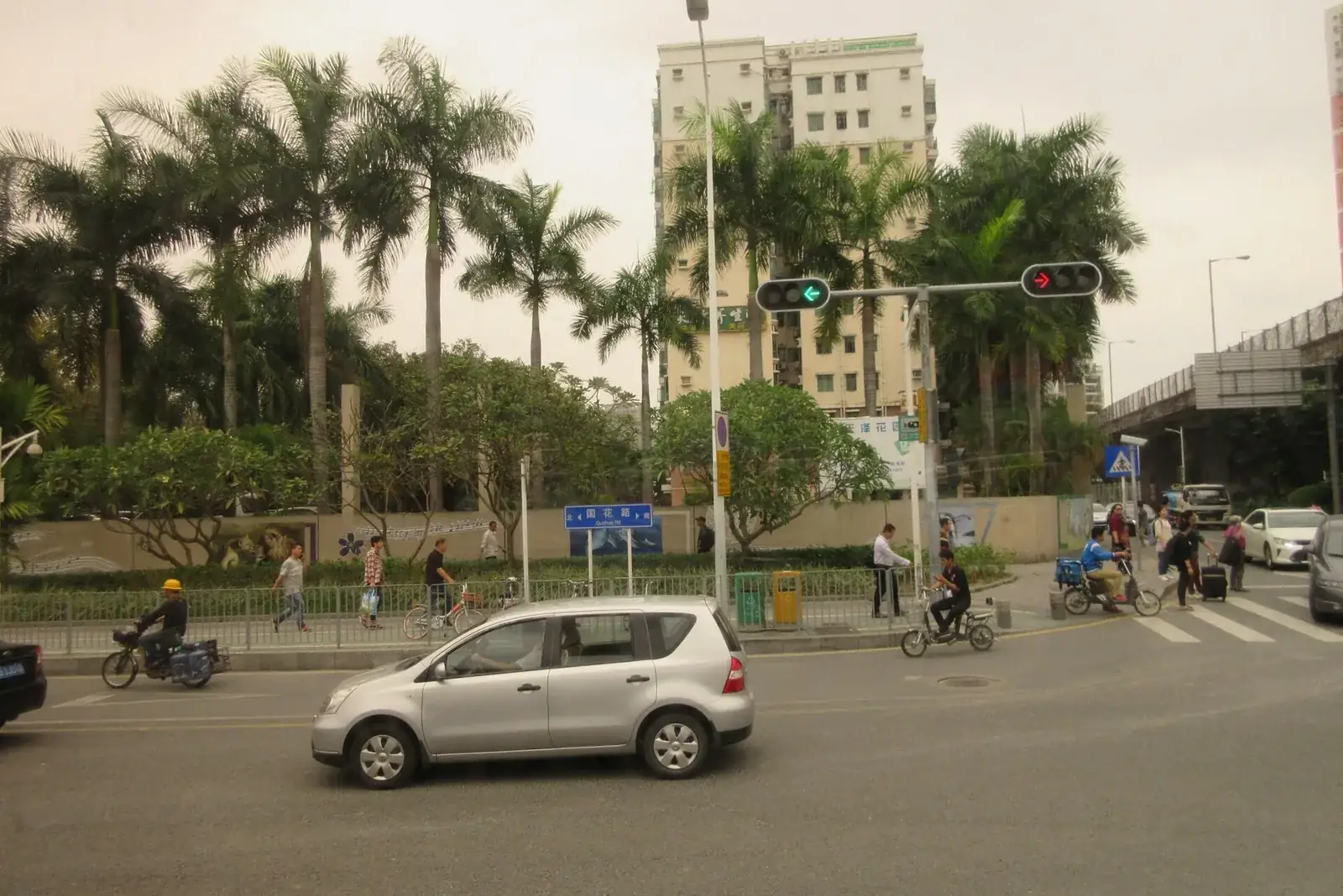
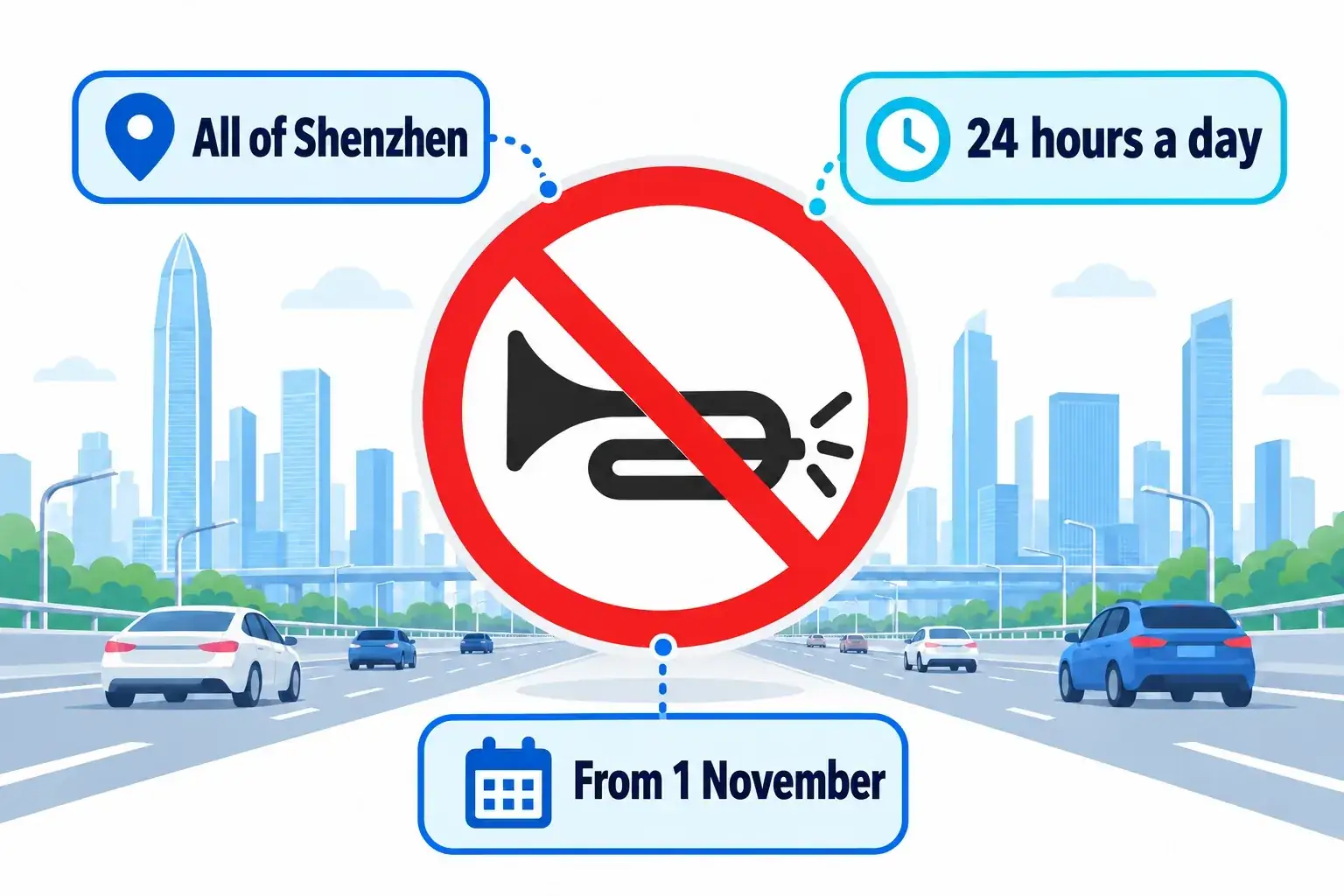
From 1 November 2026, motor vehicles may not use their horns on any road in Shenzhen, at any hour, and this notice runs for five years, to 1 November 2031. Hong Kong drivers going north under the Northbound Travel scheme, or in quota cars, must follow it too. Sing Tao and Guangming Online report a fine of RMB 300, or RMB 500 each time from the third offence in a year. If you’d rather not adapt to mainland road rules, a dual-plate car with a driver is the alternative. See our Hong Kong to Shenzhen private car transfer.
What the notice says
As of 27 October 2026, the joint notice from the Shenzhen Ecology and Environment Bureau and the city’s traffic police (深环规〔2026〕5号) sets out:
| Item | Detail |
|---|---|
| Where | Every road in Shenzhen |
| When | 00:00 to 24:00, every day |
| From | 1 November 2026, valid for five years (to 1 November 2031) |
| Who | All motor vehicles, including Hong Kong cars |
| Exempt | Police cars, fire engines, ambulances, engineering rescue and disaster-relief vehicles on urgent duty, among others |
| Penalty | Under the relevant laws, by the traffic police (no amount in the notice) |
Shenzhen isn’t banning horns for the first time. In March 2019 the traffic police issued a six-month notice to “continue” the citywide ban, and another notice in early 2023 ran to January 2024. What’s new is the five-year term and the joint issue with the environment bureau.
Reported fines
The notice doesn’t state a fine. Sing Tao and Guangming Online report the following (Sing Tao says it applies under the Shenzhen Special Economic Zone road traffic penalty regulation):
- RMB 300 per offence;
- RMB 500 per offence from the third offence within a year.
The Guangdong government portal reported the same RMB 300 and RMB 500 figures for a 2023 notice. No official text mentions horn-detection cameras, so we won’t speculate about enforcement.
When you may still sound the horn
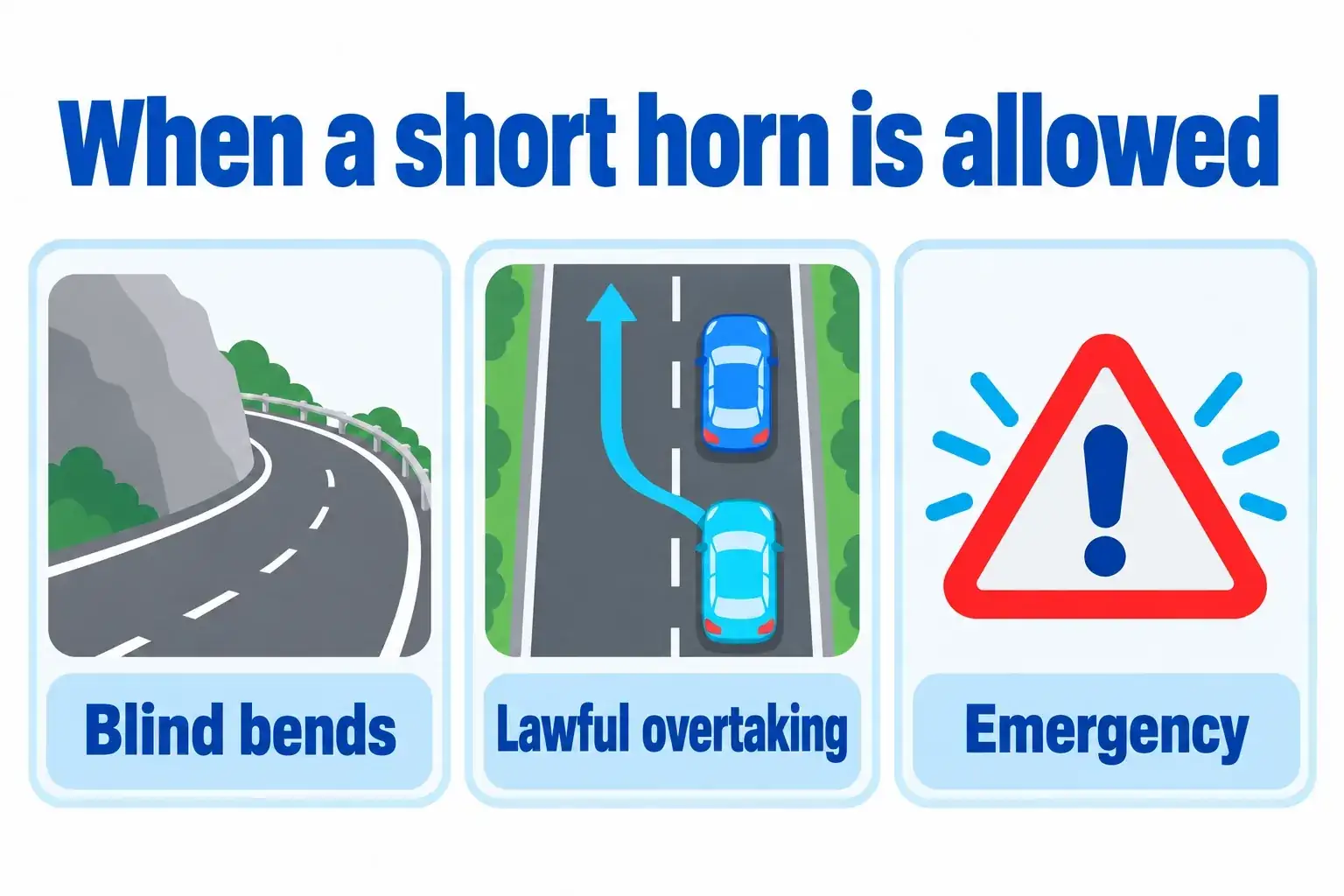
A Shenzhen Special Zone Daily report on the city government’s site stresses that the ban “does not stop necessary safety warnings”. The official explainer lists three cases where a short horn is allowed:
- Where your view is blocked, such as sharp bends or hill crests: slow down and sound the horn.
- When overtaking lawfully: signal left, flash your headlights or sound the horn, pass on the left, then signal right to return to your lane.
- In sudden, real and urgent danger, if the horn helps, while you brake, slow down, stop or steer clear.
Media reports also relay a list of six kinds of horn misuse from Shenzhen traffic police, including sounding it twice or more in a row, holding it longer than a second, using it in queues or jams, hurrying pedestrians at crossings, and calling people outside housing estates, hospitals or schools. The advice: flash your lights first, and if you must use the horn, keep it to a tap of under a second, no more than twice.
What Northbound Travel drivers should know
- Bridge only. The Transport Department says Northbound Travel for Hong Kong Vehicles uses the Hong Kong–Zhuhai–Macau Bridge. Cars holding a regular Guangdong–Hong Kong quota or a Shenzhen Bay one-off quota can’t also apply for it.
- Mainland law applies. The Transport Department’s FAQ reminds drivers that they must obey local laws on the mainland, and that breaches can be penalised by mainland authorities. The FAQ also refers to the mainland “交管12123” traffic app.
- Hong Kong cars on mainland roads. The Transport Department’s driver notes point out that the mainland drives on the right in left-hand-drive cars. A Hong Kong car has a narrower view and bigger blind spots there, so take extra care when overtaking, changing lanes, turning at junctions and joining expressways, and watch traffic when passengers get out on the left.
Driving on the mainland
The Transport Department’s notes list points to note when driving on the mainland:
- Plan your route and use navigation in the car.
- Learn mainland signs, signals and road markings, some of which differ from Hong Kong’s.
- Always keep right.
- Check your driver-assist features; some may not work on the mainland.
- For electric cars, check charging compatibility with mainland chargers.
- Watch blind spots and passengers getting out on the left.
From November, add one more: use your headlights instead of the horn, and tap it only when you really need to.
Rather not drive yourself?
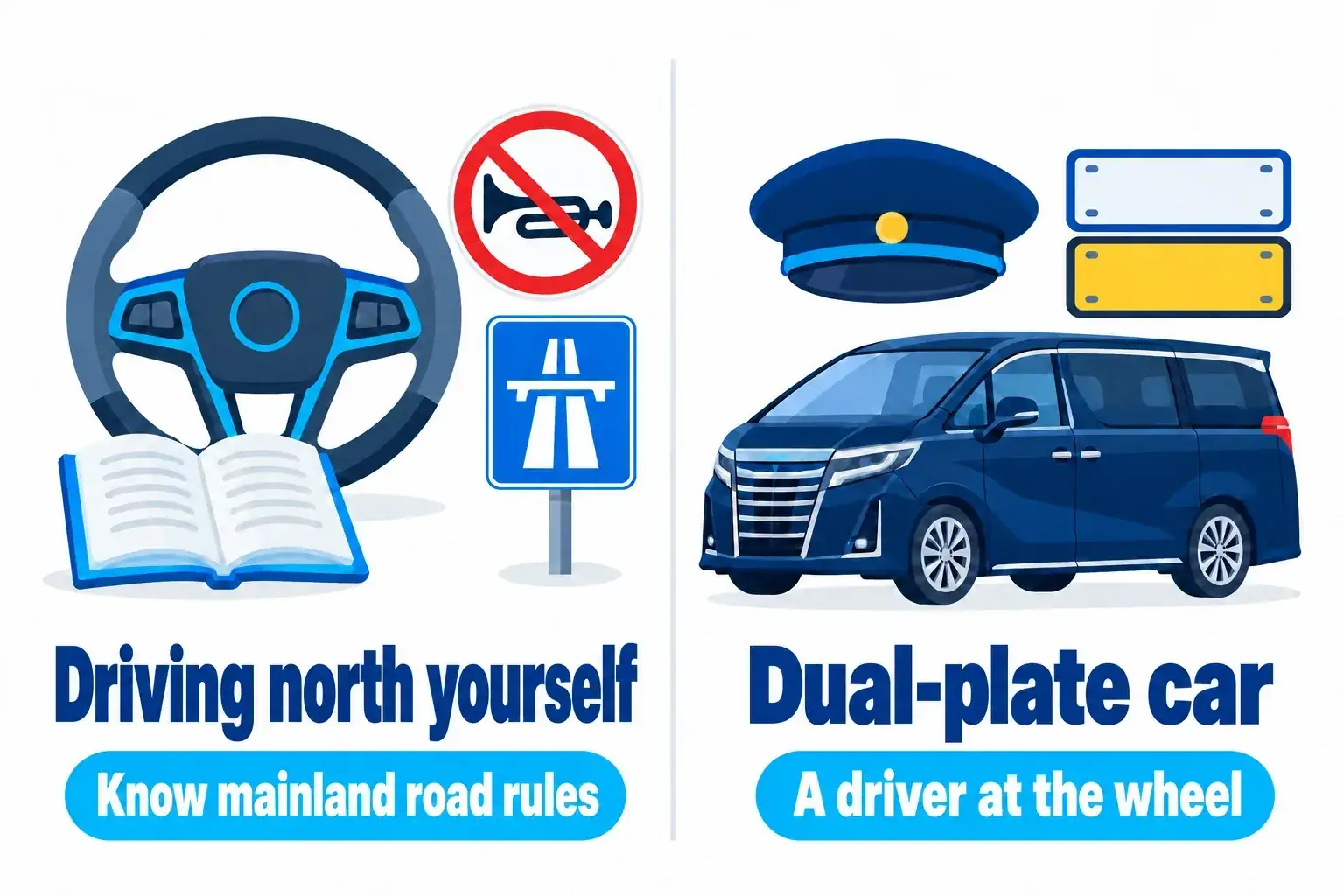
If you don’t drive in Shenzhen often, or don’t want to juggle a left-hand-drive road system, new rules and parking at once, a dual-plate car is another way to go:
- A driver at the wheel. Drivers speak Cantonese and Mandarin, and every car carries dual plates and passenger insurance.
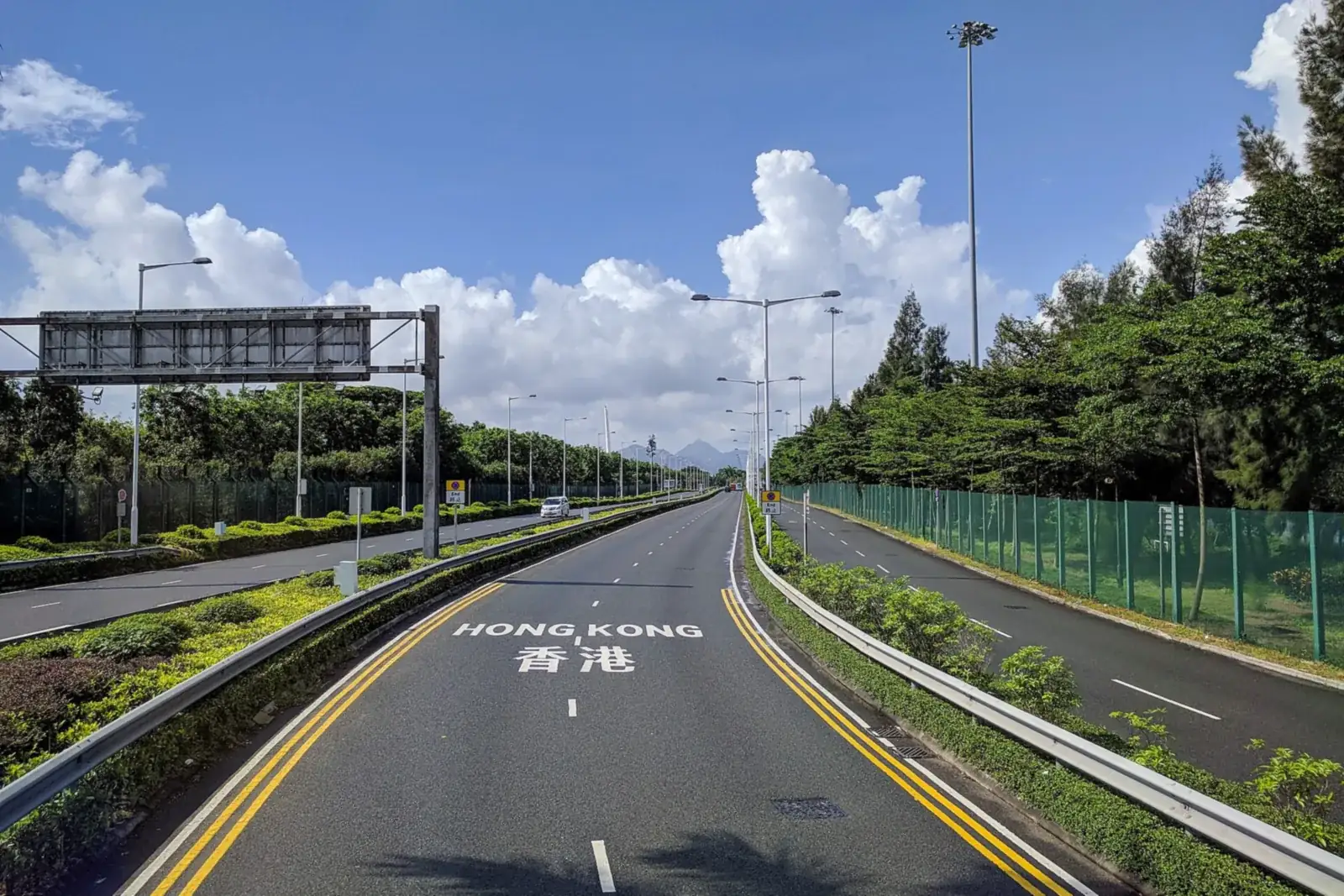
- Land crossings. Trips to Shenzhen usually cross at Huanggang, Shenzhen Bay or Liantang, with no detour to the bridge.
- At the border. At Shenzhen Bay and Liantang, documents are usually checked in the car on the Hong Kong side; on the mainland side, passengers walk through the passenger hall while the driver takes the car across. At Huanggang, passengers get out at the drop-off area with their luggage and clear in the hall for vehicle passengers. On-site arrangements apply.
- One price for the whole car, the same for one passenger or six.
For details of each crossing, see Shenzhen Bay, Huanggang and the HZMB. For documents, see what to carry when crossing by car, and for how fares work, see Hong Kong and Macau private car prices. Routes and fares: Hong Kong to Shenzhen private car transfer and Hong Kong to Dongguan private car transfer.
How CROSSBAY can help
| Route | Crossing | 7-seater, one way, from |
|---|---|---|
| Hong Kong ⇄ Shenzhenapprox. 1 – 1.5 hrs | Shenzhen Bay / Huanggang / Liantang | HK$825 |
| Hong Kong ⇄ Dongguanapprox. 1.5 – 2 hrs | Shenzhen Bay / Liantang | HK$1,628 |
| Hong Kong ⇄ Huizhouapprox. 2 – 2.5 hrs | Liantang / Shenzhen Bay | HK$2,068 |
- One fixed price for the whole car, the same for one passenger or six, with no meter and nothing extra for traffic.
- Tolls, border and parking fees, fuel and the driver are included.
- Border queues and official checks never count as waiting; if you walk through the hall, the driver waits at the exit with 45 minutes free.
Starting fares for a 7-seat Alphard / Vellfire; other cars, night trips and extras are in the service rules. Your written confirmation sets the final price.
Questions
Is Shenzhen's horn ban new?
Not entirely. Shenzhen has run citywide horn bans through repeated short-term notices since at least 2019. The 2026 notice, issued jointly by the city's Ecology and Environment Bureau and traffic police, takes effect on 1 November and runs for five years, to 1 November 2031.
What is the fine for using the horn?
The notice itself gives no amount; it says the traffic police will penalise offences under the relevant laws. Sing Tao and Guangming Online report a fine of RMB 300, rising to RMB 500 each time from the third offence within a year; Sing Tao says this is under the Shenzhen Special Economic Zone road traffic penalty regulation.
Can Northbound Travel cars cross at Shenzhen Bay?
No. The Transport Department says Northbound Travel for Hong Kong Vehicles uses the Hong Kong–Zhuhai–Macau Bridge, and cars that already hold a regular Guangdong–Hong Kong quota or a Shenzhen Bay one-off quota can't apply for it.
What if I'd rather not drive myself?
Book a dual-plate car with a driver who speaks Cantonese and Mandarin. Trips to Shenzhen usually cross at Huanggang, Shenzhen Bay or Liantang. At Shenzhen Bay and Liantang, documents are usually checked in the car on the Hong Kong side, and on the mainland side passengers walk through the passenger hall while the driver takes the car across. Huanggang separates passengers and vehicles: you get out at the drop-off area with your luggage and clear in the hall for vehicle passengers. On-site arrangements apply.
References
- 深环规〔2026〕5号: Notice on banning motor-vehicle horns citywideShenzhen Ecology and Environment Bureau · 2026-09-29
- Policy explainer for the horn-ban noticeShenzhen Ecology and Environment Bureau · 2026-09-29
- Shenzhen Government Gazette 2026 No. 30: horn-ban noticeShenzhen Municipal Government · 2026-10-12
- 11月1日起全市全天全域禁鸣喇叭 (Citywide all-day horn ban from 1 November)Shenzhen Government Online (Shenzhen Special Zone Daily) · 2026-10-15
- Notice on continuing the citywide horn ban (2019)Shenzhen Traffic Police · 2019-03-29
- 深圳全市禁止机动车鸣喇叭 违者最高罚款500元 (Shenzhen horn ban, fines up to RMB 500)Guangdong Provincial Government (Nanfang Daily) · 2023-01-31
- Northbound Travel for Hong Kong Vehicles: eligible applicantsTransport Department · accessed 2026-10-27
- Northbound Travel for Hong Kong Vehicles: FAQTransport Department · accessed 2026-10-18
- Notes to drivers under Northbound Travel for Hong Kong VehiclesTransport Department · 2023-07
- 港車北上注意|深圳11月起全市全天禁「響咹」 (Northbound drivers: Shenzhen bans horns from November)Sing Tao Headline · 2026-10-16
- 深圳:11月1日起全市全天全域禁鸣喇叭 (Shenzhen: all-day horn ban from 1 November)Guangming Online · 2026-10-16
Border arrangements, timetables and rules can change at short notice; check the latest official notices before you travel. Spotted an error? Tell us
Image credits
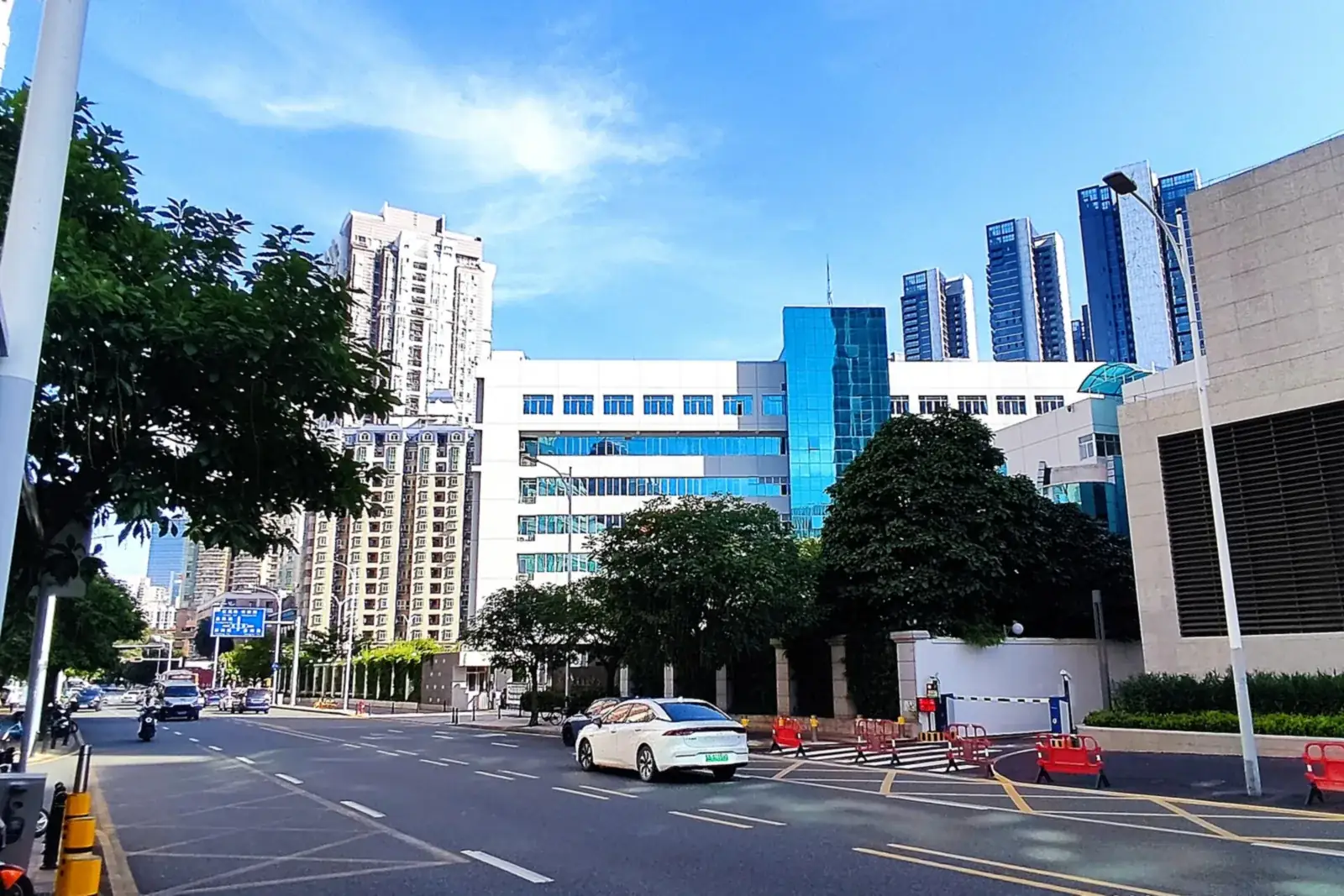
- Cover: a street in Futian, ShenzhenOAakmioad (Wikimedia Commons) · CC BY-SA 4.0
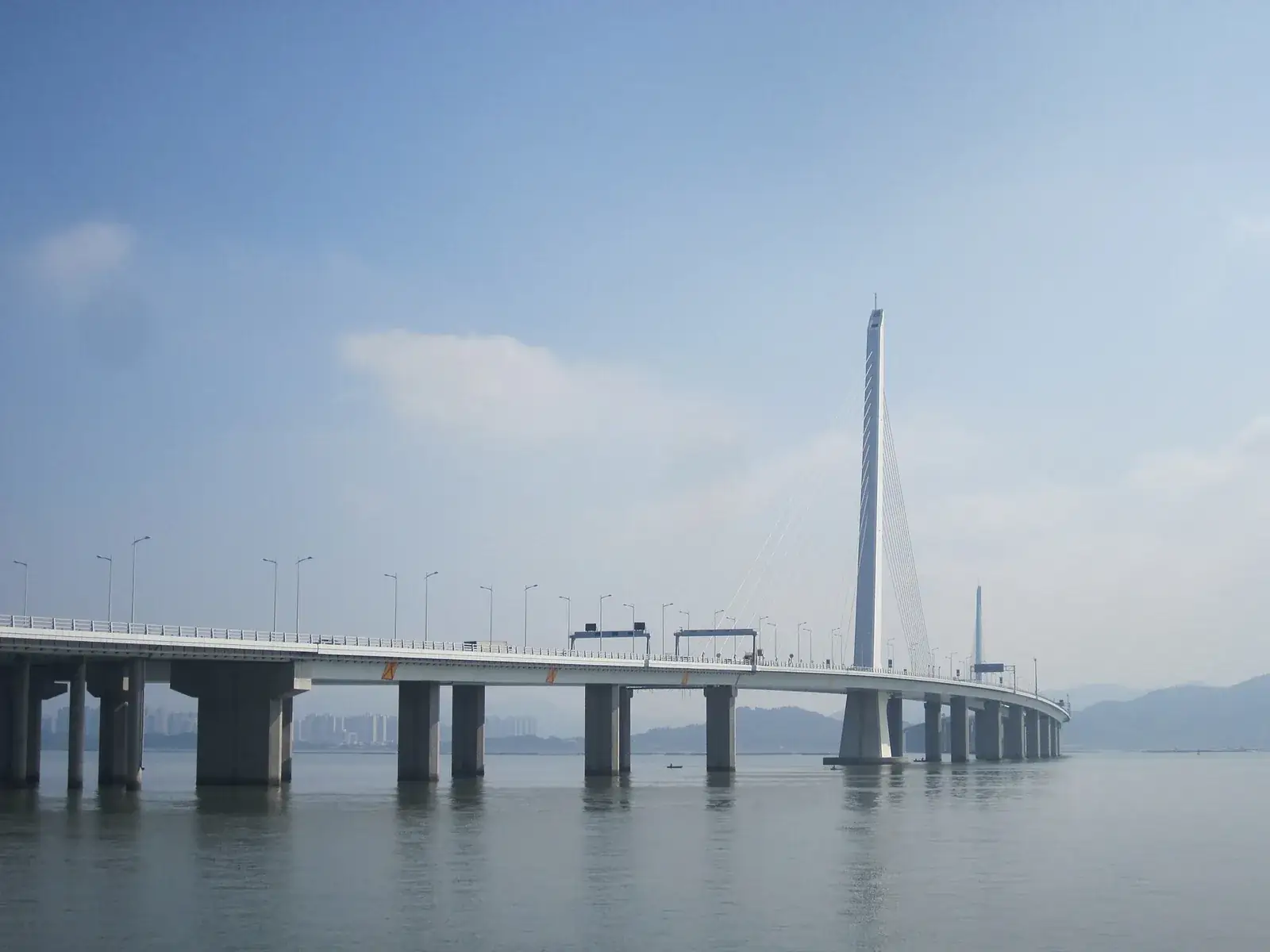
- The Shenzhen Bay Bridge road towards Hong KongSparktour (Wikimedia Commons) · CC BY-SA 4.0
- Jingtian Road, FutianWEIHMEIGAKSM Lamm (Wikimedia Commons) · CC BY-SA 4.0
- The Shenzhen Bay Bridge from the shoreHuangdan2060 (Wikimedia Commons) · CC0 1.0
- Three illustrations (the ban, self-drive or a car with driver, when you may sound the horn)CROSSBAY Editorial Team · Illustration made with AI tools